
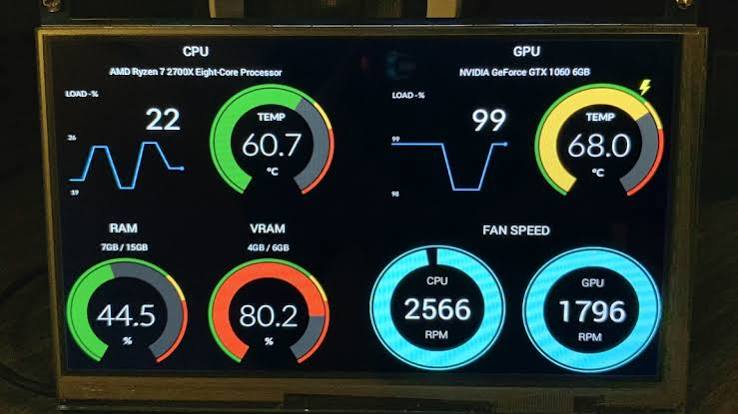

PC hardware monitoring platforms, aiming to provide software that tracks temperatures, fan speeds, and component performance in real time, address a genuine user need to diagnose overheating, instability, or performance issues without needing specialized technical equipment. A platform like openhardwaremonitors.com fits within this category of diagnostic utility software.
Understanding what genuinely distinguishes a trustworthy hardware monitoring tool from a less reliable one matters considerably given that this software typically requires deep system-level access to function. Platforms offering open-source code that can be independently reviewed, or a clear, established development history, provide considerably more trustworthy assurance than closed-source tools with no way to verify what the software actually does beyond its stated function.
Download source verification deserves particular attention for this category of software, since hardware monitoring tools are sometimes bundled with unwanted additional software on third-party download sites. Downloading directly from an official project page or verified repository, rather than from aggregator download sites, is an important safety practice regardless of how legitimate the core software itself is.
Compatibility and update frequency matter enormously for this kind of tool, given how frequently new hardware components are released. Software that’s actively maintained and regularly updated to support current CPUs, GPUs, and motherboards provides considerably more reliable readings than tools that haven’t been updated to reflect newer hardware generations.
Accuracy and sensor support deserve genuine technical attention, since different motherboards and components expose sensor data differently, and a monitoring tool’s usefulness depends heavily on how comprehensively and accurately it can read that data across different hardware configurations.
System resource usage, when reasonably light, adds genuine practical value for a monitoring tool specifically, since a diagnostic utility that itself consumes significant system resources partially undermines its purpose of helping users understand true system performance.
Community support and documentation deserve particular attention when evaluating this kind of platform, since active user communities and clear documentation help users correctly interpret readings and troubleshoot the software itself when something doesn’t display as expected.