
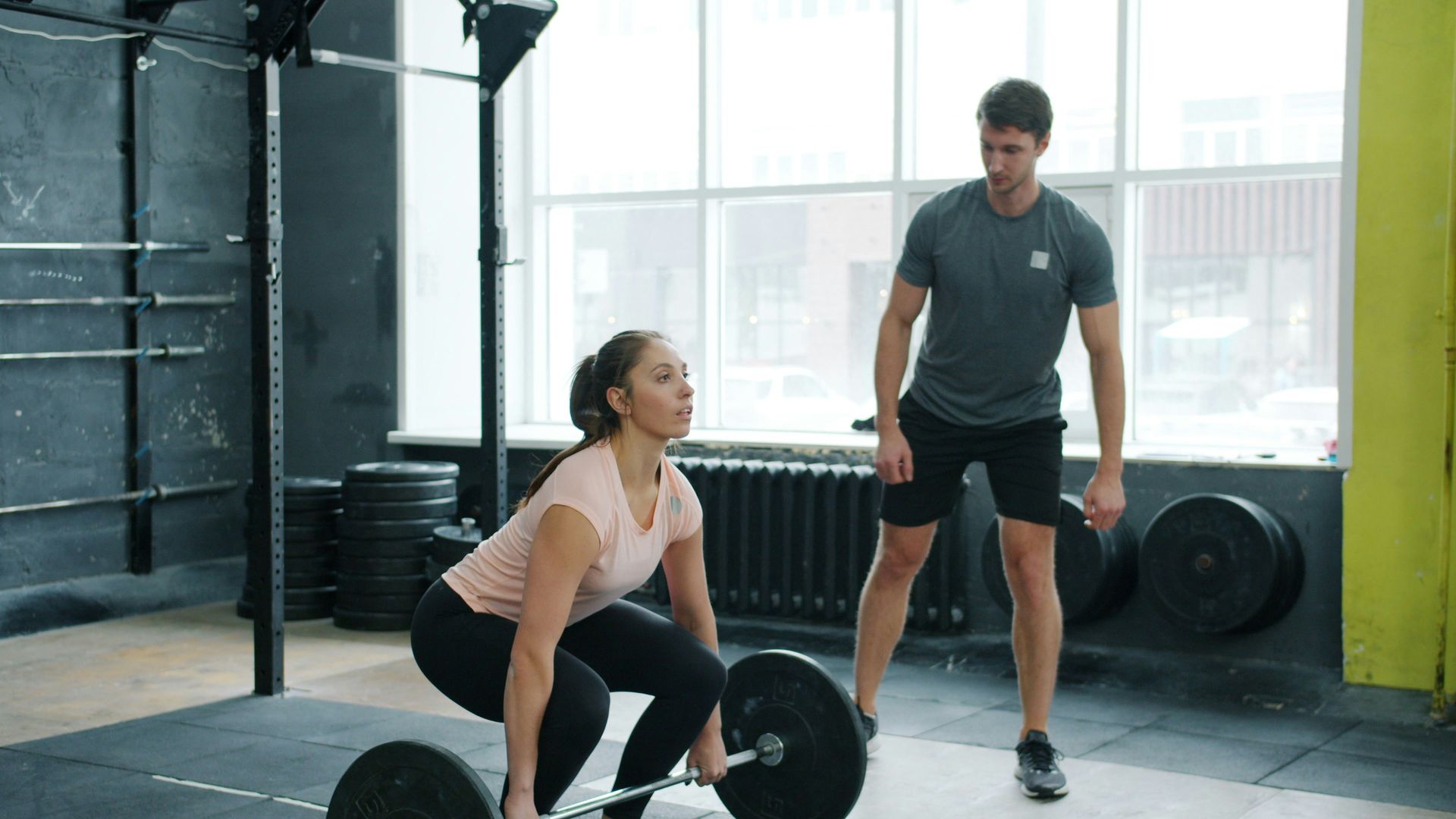

Why Strength Training Is Worth Prioritising at Any Age
Strength training’s health benefits extend far beyond the aesthetic outcomes that dominate its cultural representation. Regular resistance training increases bone density, reduces the risk of injury by strengthening tendons and ligaments, improves insulin sensitivity and metabolic health, enhances the functional strength that determines independence in later life, and is associated with reduced all-cause mortality in longitudinal research. The American Heart Association, the World Health Organisation, and every major public health body currently recommends strength training at least twice per week as part of a comprehensive physical activity regimen.
The argument for starting sooner rather than later is particularly compelling because the anabolic response to training — the body’s ability to build muscle in response to resistance exercise — remains robust well into the sixth and seventh decades of life but is most efficient in earlier decades. Muscle mass begins declining at approximately 3 to 5 percent per decade after age 30 in sedentary individuals. Strength training is the most effective intervention available to counteract this decline, and beginning earlier creates a larger reserve of muscle to draw on as age-related loss progresses.
The Beginner’s Advantage and Why You Should Use It Wisely
New lifters experience what is often called beginner gains — a period during which strength increases rapidly in response to relatively modest training stimuli. This occurs partly because of actual muscle growth and partly because the nervous system becomes more efficient at coordinating the muscles required for each movement pattern. During this period, a beginner can add weight to their lifts almost every session, which provides rapid and highly motivating progress that more advanced lifters cannot replicate.
The most important way to use this beginner advantage wisely is to invest it in learning movement quality rather than maximising immediate weight on the bar. The patterns established in the first few months of training — the squat depth, the hip hinge mechanics, the pulling posture — become deeply ingrained habits that either support or undermine progress over years of subsequent training. A beginner who rushes past the technique development phase to add weight faster typically plateaus earlier and accumulates the nagging injuries that inadequate movement quality eventually produces.
Programme Selection: What Actually Builds Strength
The fundamental structure of an effective beginner strength programme is consistent across most reputable approaches: a focus on a small number of compound movements that train multiple muscle groups simultaneously (the squat, the deadlift, the bench press, the overhead press, and the row are the most common), trained two to three times per week with progressive overload — gradually increasing the weight over time — as the primary driver of adaptation. The specifics vary between popular beginner programmes, but the programmes that consistently produce results share these structural elements.
Popular evidence-based beginner programmes include Starting Strength, StrongLifts 5×5, Greyskull LP, and GZCLP. Each provides a complete structure including exercise selection, set and rep schemes, and progression rules that remove the guesswork from session planning. Following a proven programme consistently for four to six months will produce more progress than improvising workouts or switching programmes based on internet recommendations, because consistency and progressive overload over time — not programme sophistication — are what actually build strength.
The Practical Basics of Getting Started
Getting started in a gym requires less expertise than most beginners fear. Learning the five to seven foundational movements — the squat, the deadlift, the bench press, the overhead press, the barbell or dumbbell row, the pull-up or lat pulldown, and possibly the hip hinge in its Romanian deadlift form — provides the movement vocabulary for virtually any beginner programme. Each of these movements can be learned to a safe and functional standard within a few sessions using light weight and the guidance of a knowledgeable trainer, a detailed video resource, or both.
The equipment required for an effective beginner programme is minimal. A barbell, a rack, a bench, and a set of plates cover the full range of a beginner barbell programme. If gym access is the constraint, a pair of adjustable dumbbells and a set of resistance bands enable a solid beginner programme with a smaller initial investment. Bodyweight training — push-ups, pull-ups, rows, and squats — can produce meaningful strength development in someone starting from a low base, though it eventually limits the progressive overload that drives continued adaptation.
Recovery: The Training Variable That Beginners Most Ignore
Training creates the stimulus for adaptation; recovery is where the adaptation actually occurs. Beginners often underestimate the role of sleep, nutrition, and rest days in producing the results they are training for. Muscle protein synthesis — the physiological process through which training-induced muscle damage is repaired and replaced with stronger, larger tissue — requires adequate protein intake, typically 1.6 to 2.2 grams per kilogram of body weight daily according to current research, and is significantly enhanced by adequate sleep.
Rest days are not optional for beginners training with genuine intensity. The two to three training days per week that most beginner programmes prescribe allow 48 to 72 hours of recovery between sessions targeting the same muscle groups, which is the minimum required for the full recovery and supercompensation that drives progress. Training every day with the belief that more is always better is one of the most common beginner mistakes, and it produces either stagnant progress or the overuse injuries that force the extended rest that voluntary rest days would have prevented.