
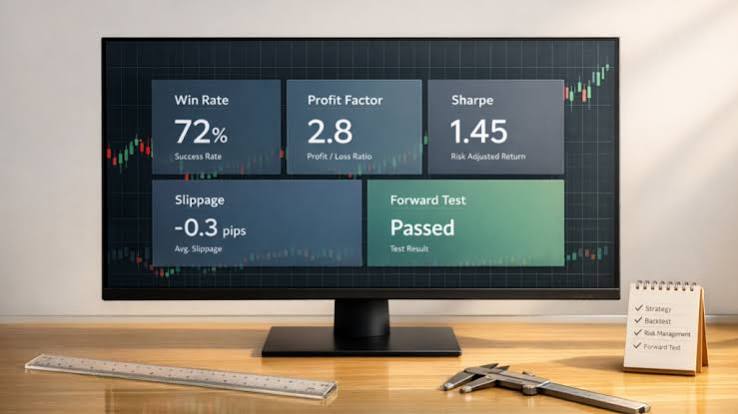

Trading and investment entry signal platforms, aiming to provide market analysis and suggested entry or exit points for traders, address a genuine desire among retail investors to access the kind of technical and market analysis that would otherwise require significant time or specialized expertise to develop independently. A platform like profitzentry.com fits within this model, positioning itself as a resource for identifying trading opportunities.
Understanding what genuinely distinguishes a responsible trading signal platform from one overselling reliability matters more here than in most content categories, given the direct financial risk involved for anyone acting on the signals provided. Platforms that transparently disclose historical performance, including losing trades and drawdown periods, provide considerably more trustworthy guidance than those showcasing only successful past calls.
Methodology transparency deserves particular attention for a platform offering trading signals, since understanding whether recommendations are based on technical analysis, fundamental analysis, or a combination of both helps users assess whether the underlying approach aligns with their own investment philosophy and risk tolerance.
Risk disclosure matters enormously for this kind of content, given that no trading signal service can guarantee profitable outcomes, and markets carry inherent unpredictability regardless of the sophistication of any given analysis method. Prominent, clear risk warnings, rather than marketing language implying reliable or guaranteed profits, are an essential credibility marker in this category specifically.
Independence from the platform’s own financial incentives deserves genuine attention, since some trading signal services have undisclosed relationships with brokers or financial products that could create a conflict of interest in the recommendations provided.
Educational content, when offered alongside specific signals, adds genuine value beyond a pure “follow this trade” model, helping users build their own understanding of market analysis rather than depending indefinitely on a single external source for every decision.
Regulatory status and subscription pricing deserve particular reader attention when evaluating this kind of platform, since financial services in most jurisdictions are subject to regulatory oversight, and understanding a platform’s actual regulatory status, alongside transparent subscription pricing, is an important step before committing to it.