
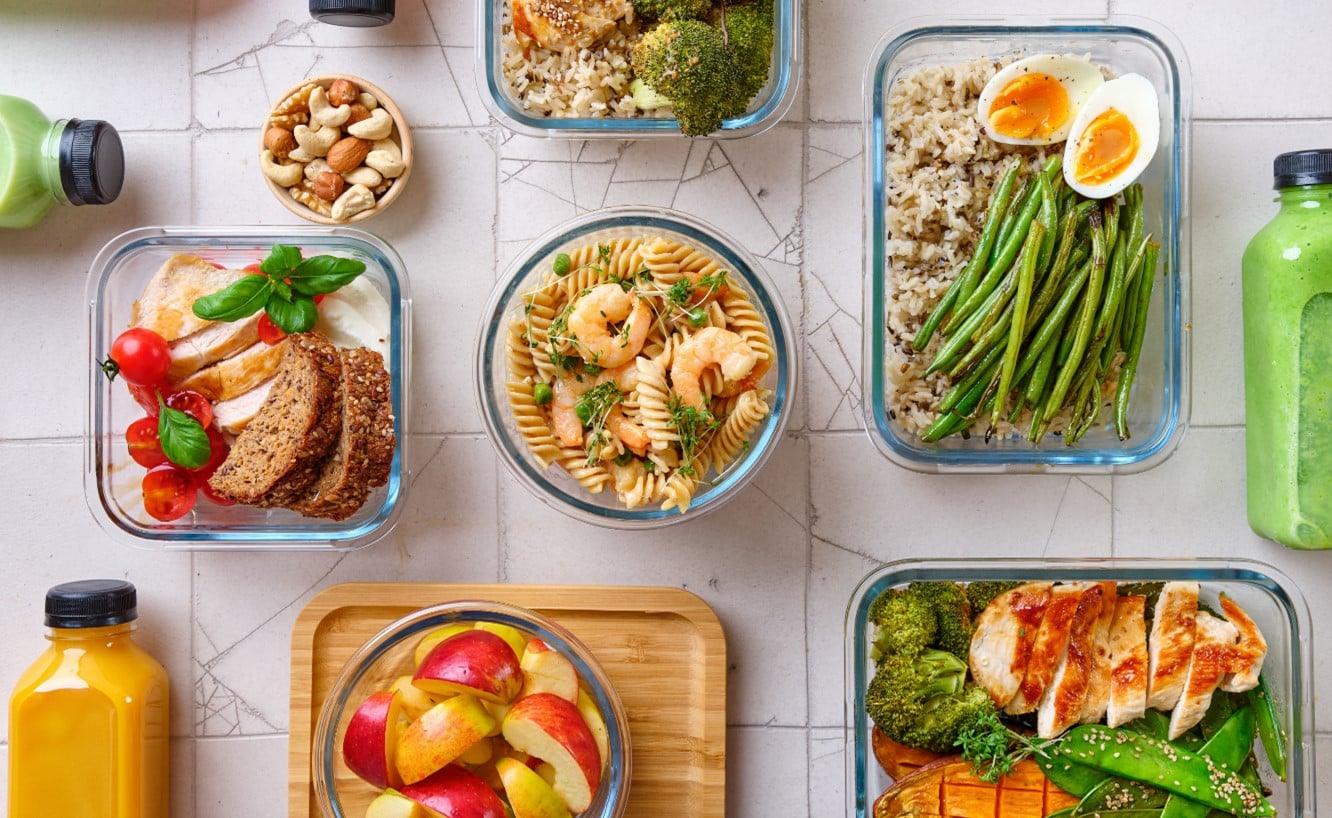

Why Meal Prepping Transforms How You Eat
The most common reason people make poor food choices during the week is not a lack of nutritional knowledge — it is the combination of time pressure, decision fatigue, and the absence of a ready alternative when hunger arrives. Meal prepping removes these barriers by shifting the cooking work to a time when you have the energy and the mental space to do it well. When a nutritious, satisfying meal is waiting in the refrigerator, the takeaway app becomes a far less compelling option.
The financial argument for meal prepping is equally compelling. Cooking at home costs a fraction of buying prepared food, and meal prepping specifically reduces waste because you plan your purchases around a defined menu rather than buying ingredients that spoil before they are used. A household that reduces food waste and eliminates three or four weekly takeaway or restaurant meals through effective meal prepping can save several hundred dollars per month without any reduction in the quality of what they eat.
Planning Your First Prep Week
The first step in meal prepping is choosing a realistic scope. Attempting to prepare every meal for seven days in your first session is a recipe for an overwhelming afternoon and abandoned containers of food you don’t feel like eating by Thursday. Start with lunches or dinners for three to four days, which allows you to cook manageable quantities, learn which foods hold up well in the refrigerator, and build the habit without the pressure of a full-week commitment.
Choose a theme or a component-based approach for your first week. A theme approach picks one cuisine or flavour profile — Mexican, Mediterranean, Asian — and builds multiple meals around shared ingredients, reducing waste and simplifying shopping. A component approach prepares individual building blocks — a cooked grain, a protein, two or three roasted vegetables, a sauce — that combine into varied meals throughout the week. Both approaches work well; the component approach offers more variety while the theme approach is simpler to execute.
The Foods That Prep Best (and Those That Don’t)
Some foods are excellent candidates for batch cooking and refrigerator storage while others deteriorate quickly and are best made fresh. Excellent prep candidates include cooked grains like rice, quinoa, farro, and barley, which reheat beautifully and last up to five days refrigerated. Roasted and sheet pan vegetables hold up well for three to four days and often improve as they marinate in their own juices. Legumes — lentils, chickpeas, black beans — are ideal for prepping because they are cheap, nutritious, and versatile. Proteins like roasted chicken thighs, baked salmon, hard-boiled eggs, and slow-cooked beef or pork maintain quality for four to five days.
Foods that do not prep well include anything with a delicate texture that deteriorates on storage — dressed salads, avocado-based dishes, fried foods, and pasta that has been mixed with sauce will all be significantly worse after a day or two in the refrigerator. For these items, prepping the components separately — the salad greens unwashed and undressed, the avocado as a whole fruit, the pasta and sauce stored separately — preserves quality much better than combining everything at prep time.
Setting Up an Efficient Prep Session
An efficient prep session runs multiple cooking processes in parallel. While a pot of grains simmers on the stovetop, vegetables roast in the oven, and a marinade-based protein rests before going into its cooking vessel. Mapping the session before you start — identifying what goes in the oven first based on temperature and timing, what can sit at room temperature while something else finishes, and what needs active attention versus passive cooking time — reduces a three-hour prep session to 90 minutes or less.
Equipment that genuinely improves prep efficiency includes a large sheet pan for roasting multiple vegetables simultaneously, a Dutch oven or instant pot for batch-cooking proteins with little supervision, a food processor for quickly shredding cabbage, grating cheese, or making sauces, and a set of uniform, stackable glass containers that make refrigerator organisation easy and allow you to see exactly what is available at a glance. Labelling containers with the contents and the prep date removes the uncertainty that causes prepared food to be ignored until it is too old to safely eat.
Building the Habit That Makes Prepping Sustainable
Meal prepping works best as a consistent weekly ritual rather than an intermittent effort that happens when inspiration strikes. Attaching the prep session to a fixed day and time — Sunday afternoon, Saturday morning — removes the weekly decision about when to do it and makes the prep as automatic as any other regular weekend activity. The prep session that produces five days of reliable meals justifies even a three-hour time investment on the returns it provides, but as the routine becomes familiar, the sessions typically become faster and require less planning effort.
Avoiding flavour fatigue is the most important factor in whether the prep habit sticks. Eating the same container of chicken and broccoli every day for five days will eventually feel like punishment regardless of how nutritionally sensible it is. Rotating proteins, varying the grains, using different sauces and seasonings across the week, and occasionally prepping a single component from scratch on a weekday rather than eating everything from the weekly prep keeps the eating experience varied enough to remain genuinely enjoyable rather than merely efficient.